Skip to content

A Guide to New Age Clinic and Modern Integrative Healthcare
This guide will help you understand what modern new age clinics offer, how they differ from conventional medical practices, the evidence behind integrative approaches, and how to choose the right clinic for your health journey.
The global complementary and alternative medicine market reached $179.17 billion in 2024 and is projected to surge to $1,430.70 billion by 2033—a remarkable 26.2% annual growth rate. This explosive expansion reflects a fundamental shift in how people approach healthcare, moving beyond symptom management toward comprehensive, personalized wellness strategies that address root causes.
If you’re researching new age clinics, you’re likely seeking an alternative to conventional medicine’s hurried appointments and prescription-focused approach. Perhaps you’re dealing with chronic conditions that haven’t responded to traditional treatment, or you’re simply interested in preventative care that honors the connection between mind, body, and spirit.
This guide will help you understand what modern new age clinics offer, how they differ from conventional medical practices, the evidence behind integrative approaches, and how to choose the right clinic for your health journey . We’ll explore cutting-edge treatments, address common concerns about efficacy, and provide practical steps for evaluating providers in this rapidly evolving field.
What Is a New Age Clinic? Defining Modern Integrative Healthcare
The Evolution from “New Age” to Evidence-Informed Integrative Medicine
The term “new age clinic” carries historical associations dating back to the 1950s, when alternative healing practices operated largely outside mainstream medicine. Today’s landscape is dramatically different. Modern integrative health centers combine the diagnostic rigor of conventional medicine with complementary therapies supported by clinical research and traditional healing wisdom.
According to the World Health Organization’s 2024 global report on Traditional, Complementary, and Integrative Medicine, 170 WHO Member States now formally integrate these practices into their health systems, recognizing their value in comprehensive patient care.
What distinguishes a contemporary new age clinic:
Root cause focus
Rather than merely suppressing symptoms, practitioners investigate underlying physiological imbalances, nutritional deficiencies, environmental factors, and lifestyle patterns contributing to illness.
Extended consultation times
Initial appointments often last 60-90 minutes, allowing comprehensive health history assessment and collaborative care planning.
Multidisciplinary teams
Integration of medical doctors, naturopathic physicians, nutritionists, health coaches, and complementary practitioners working collaboratively.
Personalized treatment protocols
Individualized plans based on genetic predispositions, lifestyle factors, and patient preferences rather than one-size-fits-all approaches.
Patient empowerment
Education and self-management tools that position patients as active participants in their healing journey.
Terminology Decoded: Holistic vs. Functional vs. Integrative Medicine
These terms are often used interchangeably, but each carries distinct emphasis:
Holistic Medicine
Treats the whole person—physical, mental, emotional, and spiritual dimensions—rather than isolated symptoms. The Institute for Natural Medicine emphasizes this comprehensive approach to wellness that acknowledges the interconnection of body systems.
Functional Medicine
Employs a systems-biology approach to identify and address the root causes of disease. The Institute for Functional Medicine defines it as an individualized, patient-centered, science-based methodology that empowers patients and practitioners to collaborate in addressing underlying disease causes and promoting optimal wellness.
Integrative Medicine
Combines conventional medical treatments with evidence-informed complementary therapies, coordinating care across different healing modalities. This approach is increasingly adopted by major medical centers, including Cleveland Clinic and Mayo Clinic.
New Age Clinics today typically embody all three philosophies, offering a patient-friendly healing environment with carefully designed treatment spaces that support the therapeutic process through calming ambiance and attention to the physical environment’s healing potential.
Ready to Explore a Personalized Approach to Your Health?
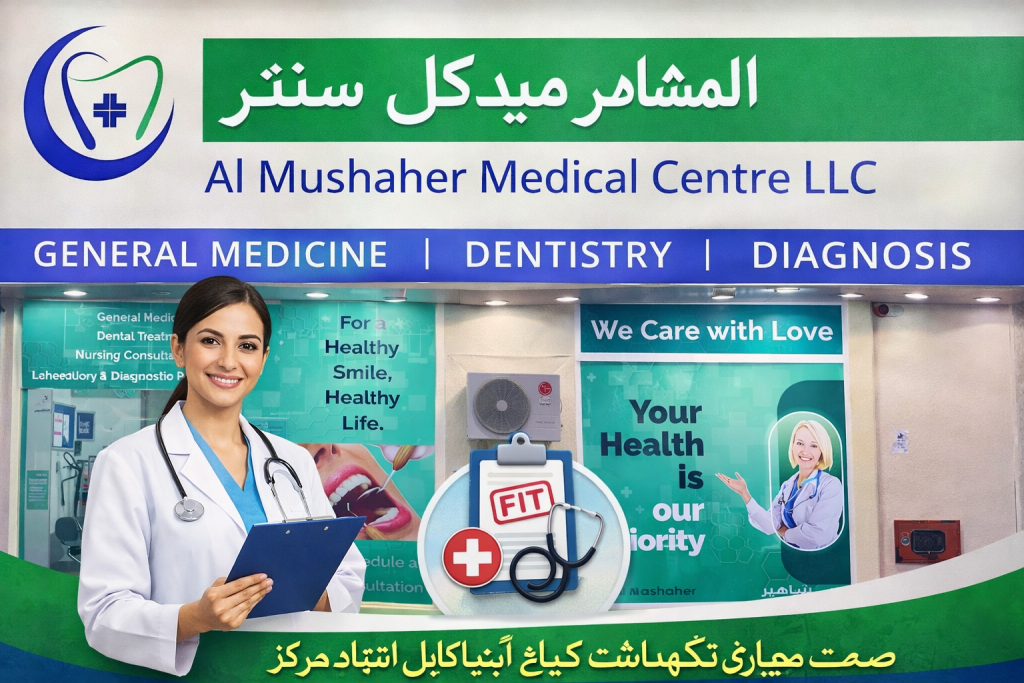
At Al Mashaher Medical Centre, we integrate the best of modern and traditional medicine to address the root cause of your health concerns. Start your journey to optimal wellness today.
Call Us: +971 4 263 3309The New Frontier: 2025 Trends Shaping Integrative Health
Biohacking and Longevity Medicine: The Cutting Edge
Modern new age clinics increasingly incorporate advanced biohacking technologies that optimize cellular function and promote longevity:
- Hyperbaric Oxygen Therapy (HBOT): Patients breathe pure oxygen in a pressurized chamber, increasing oxygen concentration in blood plasma and tissues. Research supports HBOT for wound healing, reducing inflammation, and potentially enhancing cognitive function. The therapy is gaining popularity for anti-aging protocols and athletic recovery.
- Red Light Therapy: Also called photobiomodulation, this treatment uses specific wavelengths of light to stimulate cellular repair and reduce inflammation. Studies suggest benefits for skin health, muscle recovery, and pain management through enhanced mitochondrial function.
- Cryotherapy: Brief exposure to extremely cold temperatures (typically -200°F to -300°F) triggers systemic anti-inflammatory responses. Athletes use cryotherapy for recovery, while others report benefits for mood, metabolism, and chronic pain conditions.
- Wearable Health Technology Integration: Progressive clinics now incorporate data from devices tracking heart rate variability, sleep quality, glucose levels, and other biomarkers. This continuous monitoring enables practitioners to make data-driven adjustments to treatment protocols in real-time.
The distance correspondence and virtual care segment is experiencing the fastest growth in the complementary medicine market, making these advanced treatments more accessible to patients regardless of geographic location.
Functional Nutrition: Food as Preventative Medicine
The shift toward functional nutrition represents one of the most significant developments in integrative health. Rather than generic dietary advice, functional nutrition practitioners use sophisticated testing to identify individual nutritional needs, food sensitivities, and metabolic patterns.
Key functional nutrition approaches include:
- Microbiome optimization: Targeted protocols to restore beneficial gut bacteria populations, addressing the gut-brain axis connection linked to mood, immunity, and systemic inflammation.
- Anti-inflammatory dietary strategies: Personalized elimination protocols to identify and remove inflammatory food triggers.
- Nutrient density focus: Emphasis on organic, nutrient-rich whole foods rather than calorie restriction.
- Supplementation protocols: Evidence-based use of vitamins, minerals, and botanical compounds to address specific deficiencies or health goals.
Traditional alternatives & botanicals hold the largest market share at 38%.
According to McKinsey’s wellness market research, consumers increasingly view food as preventative medicine, driving demand for fortified foods, personalized nutrition plans, and clinically-validated supplement protocols. The traditional alternatives and botanicals segment currently holds the largest market share at 38% of the global complementary medicine market.
Virtual Care Revolution: Accessible Integrative Medicine
The telehealth revolution has transformed access to integrative practitioners. Many new age clinics now offer:
- Virtual consultations with functional medicine doctors and naturopathic physicians
- Remote health coaching for nutrition, lifestyle modification, and stress management
- Digital symptom tracking and treatment progress monitoring
- At-home lab testing with practitioner interpretation and protocol adjustments
This digital transformation addresses a critical barrier: geographic limitation. Patients in areas without integrative health centers can now access specialized expertise previously available only in major metropolitan areas.
Evidence-Informed Modalities: What Treatment Options Do New Age Clinics Offer?
Addressing Chronic Conditions Through Integrative Approaches
Modern new age clinics excel in managing complex, chronic conditions that often respond poorly to conventional treatment alone:
Autoimmune Conditions
Functional medicine approaches to autoimmunity focus on identifying triggers—whether dietary proteins, environmental toxins, or chronic infections—and modulating immune function through targeted nutrition, stress reduction, and selective supplementation. Conditions like Hashimoto’s thyroiditis, rheumatoid arthritis, and inflammatory bowel disease may benefit from integrative protocols.
Chronic Fatigue and Fibromyalgia
These challenging conditions require multifaceted approaches addressing sleep dysfunction, mitochondrial support, hormonal imbalances, and nervous system regulation. Treatment protocols often combine nutritional optimization, gentle movement therapies, and stress management techniques.
Metabolic Syndrome and Type 2 Diabetes
Research from the Cleveland Clinic found that patients receiving care from their Center for Functional Medicine showed significant improvements in global physical health compared to those in primary care settings. Functional approaches emphasize insulin sensitivity restoration through dietary modification, targeted exercise, and addressing underlying inflammation.
Integrative Pain Management: Beyond Opioids
The chronic pain crisis demands alternatives to pharmaceutical dependence. The U.S. Department of Health and Human Services Pain Management Best Practices explicitly recommends non-pharmacologic treatments and risk assessment as essential components of pain management.
Evidence-informed pain management modalities include:
- Acupuncture: The National Center for Complementary and Integrative Health (NCCIH) recognizes strong evidence for acupuncture’s effectiveness in treating chronic pain conditions, including back pain, neck pain, and osteoarthritis. Systematic reviews and meta-analyses support its use as part of comprehensive pain protocols.
- Chiropractic Care: Spinal manipulation demonstrates effectiveness for acute and chronic low back pain, neck pain, and certain headache types. The approach addresses structural misalignments that may contribute to pain and nervous system dysfunction.
- Massage Therapy: Various massage techniques reduce pain, improve circulation, and promote relaxation through manual soft tissue manipulation. Research supports benefits for musculoskeletal pain, stress reduction, and improving quality of life in chronic pain patients.
- Mind-Body Medicine: Techniques including meditation, guided imagery, biofeedback, and cognitive-behavioral approaches help patients develop pain coping strategies and reduce pain-related distress. These interventions address the complex neurological and psychological dimensions of chronic pain.
- Physical Therapies: Movement-based approaches like therapeutic exercise, yoga, and tai chi improve strength, flexibility, and body awareness while reducing pain intensity and functional limitations.
Comprehensive TCIM Treatment Menu
A thorough review published in the Journal of Alternative, Complementary & Integrative Medicine identifies the most commonly utilized Traditional, Complementary, and Integrative Medicine (TCIM) treatments:
- Naturopathic Medicine: A distinct healthcare profession emphasizing prevention, treatment, and optimal health through natural, minimally invasive therapies
- Herbal Medicine: Use of plant-based compounds for therapeutic purposes, drawing on traditional healing knowledge and modern phytochemical research
- Nutritional Counseling: Individualized dietary guidance addressing specific health conditions and optimizing nutritional status
- Homeopathy: A system using highly diluted substances to stimulate the body’s self-healing mechanisms
- Energy Medicine: Practices like Reiki or therapeutic touch that work with the body’s biofield
- Yoga and Movement Therapies: Integrative approaches combining physical postures, breathing techniques, and meditation
It’s important to note that evidence quality varies significantly across these modalities. While some have extensive research support, others rely more heavily on traditional use and clinical experience. The pragmatic nature of TCIM often doesn’t reconcile easily with traditional evidence-based medicine’s randomized trial methodology, yet many practitioners successfully integrate the best available research with clinical expertise to provide effective, evidence-informed care.
Take Control of Your Health Journey
Our multidisciplinary team at Al Mashaher Medical Centre is here to listen and create a personalized plan for you. Discover how integrative medicine can make a difference.
Book a Consultation: +971 4 263 3309The Patient Experience: What Makes New Age Clinics Different?
Overcoming Communication Barriers: Being Heard and Understood
One of the most profound frustrations in conventional healthcare is the “seven-minute problem”—rushed appointments where complex health concerns are dismissed or oversimplified. Research on physician-patient communication barriers reveals that inadequate time for thorough health history impairs accurate diagnosis and treatment planning.
New age clinics address this critical gap through:
- Comprehensive Initial Assessments: First visits typically last 60-90 minutes, allowing practitioners to explore: detailed health history, complete symptom timeline, lifestyle factors, environmental exposures, previous treatments, and patient goals.
- Shared Decision-Making: Rather than prescriptive, one-way directives, integrative practitioners collaborate with patients to develop treatment plans aligned with individual preferences, resources, and readiness for change.
- Multidisciplinary Team Approach: The Cleveland Clinic’s functional medicine research demonstrates that patients benefit when new patients see not only a physician but also a dietitian and health coach, creating a comprehensive support system addressing multiple dimensions of health simultaneously.
Ensuring Trust: Credentials, Licensing, and Transparency
Given the historical association of “new age” practices with unregulated practitioners, modern patients rightfully demand transparency regarding provider qualifications.
Essential credentials to look for:
- Medical Doctors (MDs) or Doctors of Osteopathy (DOs) with additional training in functional or integrative medicine
- Naturopathic Doctors (NDs) from accredited institutions who pass licensing examinations
- Board certifications from organizations like the Institute for Functional Medicine or American Board of Integrative Medicine
- Active state licenses verifiable through state medical boards
- Professional liability insurance and clear informed consent processes
Reputable new age clinics proactively display practitioner credentials, acknowledge where evidence for specific treatments is limited, and commit to evidence-informed, safe, and effective care. They engage in balanced debate about controversial approaches without promoting unproven treatments outside accepted medical standards.
The Healing Environment: Design Matters
The physical space of a new age clinic intentionally supports healing through environmental design:
- Calming aesthetics: Natural lighting, soothing colors, and minimal clinical sterility create welcoming atmospheres that reduce patient anxiety.
- Multipurpose treatment rooms: Thoughtfully designed spaces accommodate various modalities from consultations to hands-on therapies.
- Nature integration: Many clinics incorporate plants, water features, or nature views recognizing the therapeutic value of biophilic design.
- Sensory considerations: Attention to noise levels, scents, and tactile experiences creates a holistic sensory environment supporting relaxation and healing.
These design elements aren’t superficial—research demonstrates that healing environments positively impact patient outcomes, stress levels, and treatment engagement.
Practical Steps: How to Choose and Evaluate a New Age Clinic
Financial Considerations: Understanding Costs and Coverage
One significant barrier to integrative care is cost and insurance coverage:
- Insurance Coverage: While some services like acupuncture and chiropractic care increasingly receive insurance coverage, many functional medicine consultations and testing remain out-of-pocket expenses. However, this landscape is evolving as outcomes data demonstrates cost-effectiveness.
- Pricing Models: New age clinics typically offer fee-for-service, membership programs, package deals, or sliding scale options.
- Value Assessment: When evaluating cost, consider the comprehensive approach. A 90-minute functional medicine consultation with extensive follow-up may provide better value than multiple brief conventional appointments addressing symptoms in isolation.
- Health Savings Accounts (HSAs) and Flexible Spending Accounts (FSAs): Many integrative services qualify for these tax-advantaged payment methods, effectively reducing costs.
Evaluating Providers: Using Reviews and Third-Party Resources
Research from Walden University on online patient reviews indicates that prospective patients increasingly use digital platforms to evaluate healthcare providers before booking appointments.
Where to research providers:
- Google Reviews: Look for patterns in feedback regarding communication, wait times, treatment outcomes, and staff professionalism.
- Healthgrades and Vitals: Physician-specific platforms providing credential verification and patient ratings.
- State licensing boards: Verify active licenses and check for disciplinary actions.
- Professional organization directories: The Institute for Functional Medicine and similar bodies maintain practitioner directories with verified credentials.
Red flags to watch for:
- Guarantees of cure for serious conditions
- High-pressure sales tactics for expensive supplement protocols
- Dismissal of conventional medicine entirely
- Lack of clear credentials or licensing information
- Resistance to providing references or treatment outcome data
Questions to Ask During Your First Consultation
Arrive at your initial appointment prepared with essential questions:
- What is your training and experience in functional/integrative medicine?
- How do you approach my specific health concern?
- What testing or assessments do you recommend, and why?
- What does a typical treatment protocol look like, including timeline and costs?
- How do you measure treatment effectiveness?
- How do you collaborate with my conventional healthcare providers?
- What is your approach when treatments aren’t producing desired results?
- What are the potential risks or side effects of recommended treatments?
A qualified practitioner welcomes these questions and provides clear, evidence-based responses.
Frequently Asked Questions
Are new age clinics safe?
When working with licensed, credentialed practitioners who use evidence-informed approaches, integrative care is generally safe. Risks increase with unregulated practitioners making extraordinary claims. Always verify credentials and discuss treatments with your primary care physician.
Can I use a new age clinic alongside conventional medical care?
Absolutely. The best integrative practitioners welcome collaboration with your existing healthcare team. Many patients use functional medicine for chronic condition management while maintaining relationships with conventional doctors for acute care and serious diagnoses.
How much does functional medicine cost?
Initial consultations typically range from $200-500, with follow-up appointments $150-300. Testing costs vary widely ($200-2000+ depending on complexity). Many clinics offer package pricing or membership models that reduce per-visit costs.
Will insurance cover visits to a new age clinic?
Coverage varies significantly. Some services like acupuncture and chiropractic have broad coverage, while functional medicine consultations often remain out-of-pocket. Check with your specific plan and consider HSA/FSA options.
How long does it take to see results?
This depends on your condition and treatment approach. Some patients notice improvements within weeks, while complex chronic conditions may require 3-6 months of consistent treatment before significant change occurs. Functional medicine emphasizes sustainable, long-term healing over quick fixes.
What’s the difference between a naturopathic doctor and a medical doctor practicing functional medicine?
Naturopathic Doctors (NDs) complete four-year naturopathic medical programs emphasizing natural therapeutics. MDs practicing functional medicine completed conventional medical school plus additional functional medicine training. Both can provide excellent integrative care; the best choice depends on your specific needs and the practitioner’s expertise.
Do I need expensive testing?
Not necessarily. Skilled practitioners begin with thorough history and physical examination. Testing should be targeted to specific clinical questions, not routine. Beware of practitioners recommending extensive panels for everyone—appropriate testing is individualized.
Can functional medicine cure serious diseases like cancer or autoimmune conditions?
Ethical practitioners don’t promise “cures” for serious diseases. However, integrative approaches can support conventional treatment, improve quality of life, reduce symptoms, and potentially enhance treatment outcomes. Always maintain care with appropriate specialists for serious diagnoses.
Conclusion: Making Informed Decisions About Integrative Healthcare
The explosive growth of new age clinics reflects a healthcare transformation addressing real gaps in conventional medicine: rushed appointments, symptom-focused treatment, and limited tools for chronic disease management. The best integrative practitioners offer what many patients desperately seek—comprehensive assessment, personalized protocols, collaborative relationships, and treatment approaches honoring the complexity of human health.
Success in this emerging healthcare landscape requires informed engagement. Verify credentials rigorously. Expect transparency about evidence quality. Insist on collaborative rather than dismissive relationships with conventional medicine. And recognize that meaningful health transformation requires your active participation, not passive consumption of services.
The future of healthcare isn’t choosing between conventional and integrative medicine—it’s intelligent integration of both, leveraging the strengths of each approach while acknowledging limitations. As research expands, insurance coverage improves, and standards clarify, integrative medicine will increasingly move from alternative to mainstream, offering more patients access to comprehensive, personalized care that addresses root causes and supports optimal wellness.
Whether you’re managing a chronic condition, optimizing performance, or seeking preventative strategies, new age clinics offer expanded options worth exploring. Armed with the knowledge from this guide, you’re prepared to navigate this evolving landscape, ask the right questions, and make informed decisions supporting your health journey.